Why Cover Letter Examples Matter
In the competitive job market, a well-crafted cover letter can be the key that unlocks your dream job. Cover letter examples serve as invaluable tools, providing insights into the structure, tone, and content that resonate with hiring managers. They illustrate how to effectively present your skills, experience, and enthusiasm for a specific role. Studying these examples helps you understand the nuances of professional communication and tailor your approach to suit different industries and positions. They offer a clear roadmap, helping you avoid common pitfalls and ensuring your application stands out from the crowd. Using these examples provides a foundation for creating a compelling narrative that showcases your unique value proposition, significantly increasing your chances of landing an interview. Moreover, they provide a benchmark for quality, enabling you to refine your writing and make a positive first impression.
Understanding the Purpose of a Cover Letter
A cover letter is more than just a formality it’s your opportunity to make a strong first impression. The primary purpose is to introduce yourself to a potential employer and demonstrate why you’re the ideal candidate for the job. It allows you to expand on the information in your resume, providing context and personality. Cover letters highlight your relevant skills, experiences, and accomplishments that align with the job requirements. They also showcase your communication skills and enthusiasm for the role and the company. They are essential for explaining career transitions, addressing gaps in your employment history, and personalizing your application. By clearly articulating your value proposition, you can create a compelling case for why you should be invited for an interview. Effectively communicating your career goals and how they align with the company’s objectives is a very good way to stand out from the other candidates.
Top Cover Letter Examples for Different Fields

Different fields require different approaches to cover letters. For instance, a cover letter for a tech position will likely emphasize technical skills and project accomplishments. A cover letter for a creative role, such as a designer, might showcase creativity and design examples. A cover letter for a sales position should highlight sales achievements and persuasive communication. When you are considering different cover letter examples, always check the industry standards. Researching industry-specific cover letter examples is an excellent approach, providing you with tailored templates and examples. For the finance industry, cover letters should focus on financial analysis, risk management, and attention to detail. For healthcare, highlight experience with patient care, medical knowledge, and empathy. Adapt your cover letter to fit the specific requirements and expectations of your target industry, tailoring the language and tone to reflect the profession’s culture.
Cover Letter Examples for Entry-Level Positions
Entry-level cover letters should focus on highlighting transferable skills and relevant experiences, even if they are from internships, volunteer work, or academic projects. Emphasize your eagerness to learn, your adaptability, and your enthusiasm for the role and the company. When you have little professional experience, focus on demonstrating your work ethic, problem-solving abilities, and any achievements that showcase your potential. Tailor your letter to the specific job description, highlighting how your skills and experiences align with the requirements. Many cover letter examples for entry-level positions are focused on education and extracurricular activities, highlighting leadership roles, team projects, and any relevant coursework. It is important to show your capacity to contribute to the company and your willingness to grow within the organization. Remember to keep it concise and professional, showcasing your potential and eagerness to contribute.
Cover Letter Examples for Experienced Professionals
Experienced professionals should use their cover letters to highlight their significant accomplishments, quantifiable achievements, and leadership experience. Focus on demonstrating your expertise, showcasing how you have contributed to previous companies, and your capacity to deliver tangible results. Quantify your achievements with numbers and data, such as ‘increased sales by 20%’ or ‘managed a team of 15’. Tailor your cover letter to match the specific requirements of the job description and the needs of the employer. Explain how your skills and experiences align with the company’s goals, showing your understanding of the industry and the challenges the company faces. When you show your experience with complex projects, management capabilities, and leadership skills, you clearly illustrate your ability to immediately contribute to the organization. Make sure to highlight your ability to drive positive change and deliver exceptional results.
Cover Letter Examples for Specific Industries

Each industry has its own set of expectations and professional standards for cover letters. For instance, a cover letter for a marketing position will likely emphasize creativity, brand awareness, and marketing campaign results. A cover letter for a healthcare role needs to demonstrate clinical skills, patient care, and empathy. Research the industry-specific norms and tailor your letter accordingly. Look for cover letter examples within your target industry to gain insight into best practices. The tech industry tends to value innovation and results. Finance prioritizes attention to detail and analytical skills. The education sector looks for a passion for teaching and classroom management. When you research and understand the specific requirements of your chosen field, you can better demonstrate your qualifications and make a good impression on the hiring manager.
Key Components of a Strong Cover Letter
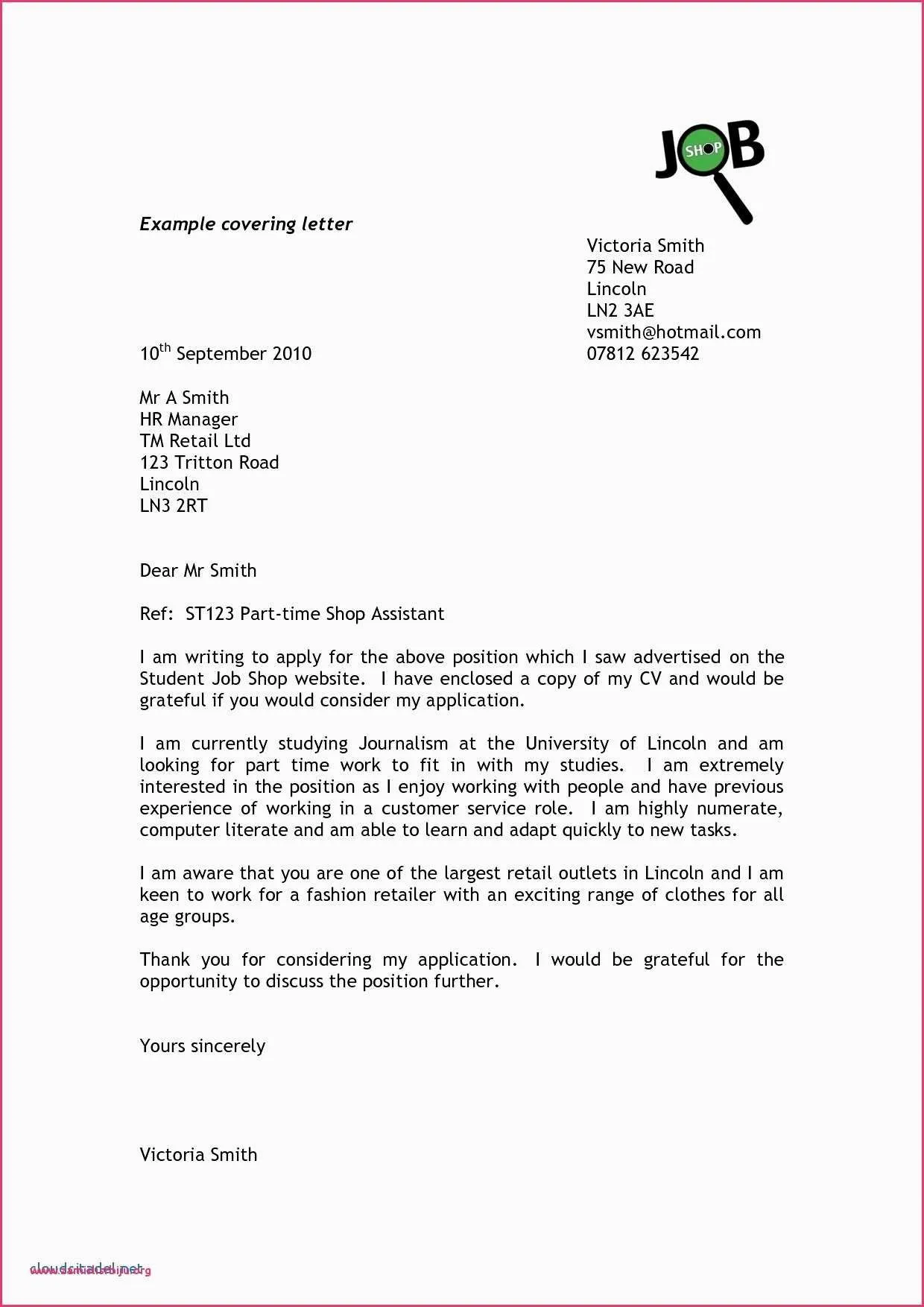
A strong cover letter has several essential components. Start with a professional header that includes your contact information and the date. Address the hiring manager by name, if possible, to personalize your letter. The opening paragraph should state your purpose for writing, indicating the position you are applying for and where you found the job listing. The body of the letter is where you highlight your skills, experiences, and accomplishments, demonstrating how they align with the job requirements. Use concrete examples and quantify your achievements. Make sure to explain why you are interested in the role and the company. The closing paragraph should summarize your interest and reiterate your enthusiasm, including a call to action. Proofread your cover letter carefully to ensure there are no errors in grammar or spelling.
Formatting Your Cover Letter
The formatting of your cover letter plays an essential role in making a good first impression. Use a professional font, such as Times New Roman, Arial, or Calibri, in a readable size (11 or 12 points). Keep the layout clean and easy to read, with adequate spacing between paragraphs and sections. Use left alignment and avoid excessive indentation. Make sure to keep your cover letter to one page, as hiring managers often have limited time to review applications. Use bullet points or numbered lists to highlight key information and make your letter scannable. Ensure your formatting is consistent throughout the letter. Use a clear, concise style, avoiding overly complex language or jargon. Pay attention to the overall appearance of your cover letter, making sure it is neat and professional.
Essential Content for a Cover Letter

Your cover letter should include essential content tailored to the specific job and your qualifications. Start with a compelling opening that grabs the reader’s attention, stating the position you are applying for and how you found the job posting. Highlight your most relevant skills and experiences, matching them to the job description’s requirements. Provide examples of your accomplishments, quantifying them whenever possible to demonstrate your impact. When you describe your achievements, always highlight the results you have delivered. Showcase your understanding of the company and its mission, explaining why you are interested in working there. Explain how your career goals align with the company’s objectives, illustrating your long-term commitment. End with a strong closing, reiterating your enthusiasm and thanking the hiring manager for their time and consideration. It is important that you are ready to showcase your unique value proposition.
Tips for Writing a Compelling Cover Letter
Writing a compelling cover letter involves several key strategies. Tailor your cover letter to each specific job, customizing your content to align with the job description and the needs of the employer. Use action verbs to describe your skills and accomplishments, such as ‘managed,’ ’led,’ ‘achieved,’ and ‘developed.’ Show, don’t just tell by providing concrete examples of your achievements and the results you delivered. Quantify your achievements, using numbers and data to demonstrate your impact (e.g., ‘increased sales by 15%’). Highlight your key skills and experiences that are most relevant to the job. Research the company and tailor your letter to demonstrate your understanding of its mission, values, and goals. Proofread your cover letter carefully for any errors in grammar, spelling, or punctuation. Make sure to make it concise and easy to read, avoiding unnecessary jargon or complex language. Be enthusiastic and professional, expressing your genuine interest in the role.
Highlighting Your Skills and Achievements
When highlighting your skills and achievements, make sure to focus on the most relevant aspects of your experience that align with the job requirements. Use the job description as your guide, identifying the key skills and qualifications the employer is seeking. Provide concrete examples of how you have demonstrated those skills in previous roles, providing specific details and quantifying your accomplishments. Use action verbs to describe your achievements, showcasing your ability to take initiative and deliver results. Whenever possible, quantify your achievements with numbers and data to demonstrate your impact (e.g., ‘reduced costs by 10%’ or ‘improved customer satisfaction by 20%’). Match your skills and accomplishments to the needs of the employer, showing how you can contribute to the company’s success. Be concise and focused, avoiding irrelevant information that does not support your candidacy.
Tailoring Your Cover Letter to the Job

Tailoring your cover letter to each job is one of the most critical steps in the application process. Read the job description carefully, identifying the key requirements, skills, and qualifications the employer is seeking. Use the job description as your guide, customizing your cover letter to align with the specific needs of the role. Highlight your relevant experiences and accomplishments, showcasing how they align with the job requirements. Use the same keywords and phrases from the job description, demonstrating your understanding of the role and the employer’s needs. Research the company and demonstrate your knowledge of its mission, values, and goals, explaining why you are interested in working there. Make sure to personalize your cover letter by addressing the hiring manager by name, if possible. Customizing your cover letter showcases your enthusiasm for the role and your understanding of the specific requirements.
Common Mistakes to Avoid in Your Cover Letter
Avoid common mistakes to ensure your cover letter makes a positive impression. Do not use generic cover letters, customizing each letter to the specific job and employer. Avoid typos, grammatical errors, and spelling mistakes by proofreading your cover letter carefully. Do not use overly long or complex sentences, making sure your writing is clear and concise. Avoid repeating information from your resume, using the cover letter to provide additional context and expand on your accomplishments. Do not focus solely on what you want from the job. Instead, emphasize how you can contribute to the company’s success. Avoid using jargon or overly formal language, making your cover letter easy to read and understand. Do not forget to tailor your cover letter to the job description, highlighting the relevant skills and experiences.
Proofreading and Editing Your Cover Letter
Proofreading and editing are essential steps to ensure your cover letter is polished and professional. Proofread your cover letter multiple times, checking for any errors in grammar, spelling, and punctuation. Use a grammar and spell checker, but do not rely solely on these tools. Have someone else review your cover letter to catch any mistakes you might have missed. Make sure your writing is clear, concise, and easy to understand. Check the formatting of your cover letter, making sure the layout is neat and professional. Review the content of your cover letter, ensuring you have highlighted the relevant skills and experiences. Ensure that your cover letter flows logically and makes a compelling case for your candidacy. Make sure to pay attention to detail, ensuring your cover letter is free of errors and makes a positive impression.
Resources for Cover Letter Examples

Numerous resources provide excellent cover letter examples. Online job boards, such as LinkedIn and Indeed, often offer templates and examples for various industries and positions. Career websites and blogs provide cover letter examples tailored to specific industries and job types. Professional resume writing services offer examples and expert advice on crafting effective cover letters. University career centers and libraries also provide resources and templates. Seek out examples that match your industry, experience level, and the specific roles you are targeting. When you are using these resources, tailor the examples to your unique qualifications and the specific job you are applying for. By utilizing these resources, you can gain valuable insights and improve your cover letter writing skills, increasing your chances of landing an interview.