What are Cover Letter Samples?
Cover letter samples serve as invaluable guides for crafting compelling job application documents. They are pre-written examples that showcase effective writing styles, formatting techniques, and content strategies. By studying cover letter samples, job seekers gain insight into how to present their qualifications, skills, and experiences in a way that resonates with potential employers. These samples offer a diverse range of examples, catering to different industries, experience levels, and career goals. Utilizing cover letter samples streamlines the writing process, ensuring your application stands out amidst the competition.
Purpose of Cover Letters
The primary purpose of a cover letter is to introduce yourself to a potential employer and highlight your suitability for a specific job. It complements your resume by providing a narrative that expands on your qualifications and demonstrates your genuine interest in the role and the company. A well-crafted cover letter can set you apart from other applicants, showcasing your communication skills, personality, and enthusiasm. Additionally, it allows you to address any gaps in your resume or explain career transitions effectively. It’s your opportunity to make a strong first impression and secure an interview.
Why Cover Letters Matter

In today’s competitive job market, cover letters remain an essential component of a successful job application. They provide a platform to showcase your unique value proposition and articulate why you are the ideal candidate. Many hiring managers review cover letters before even looking at the resume, making it a crucial first step. They allow you to personalize your application, demonstrating that you’ve taken the time to understand the role and the company. By effectively communicating your skills, experiences, and career aspirations, a well-written cover letter significantly increases your chances of getting noticed and invited for an interview. It shows your attention to detail and commitment.
Key Components of a Cover Letter
Understanding the key components of a cover letter is essential for creating an effective and impressive document. From the header to the closing, each part plays a vital role in conveying your message and capturing the reader’s attention. By mastering these components, you can ensure your cover letter is professional, well-structured, and tailored to the specific job and company. Remember, a well-organized cover letter reflects your professionalism and organizational skills, qualities highly valued by employers. The following are the core elements to include in your cover letter.
Header and Contact Information
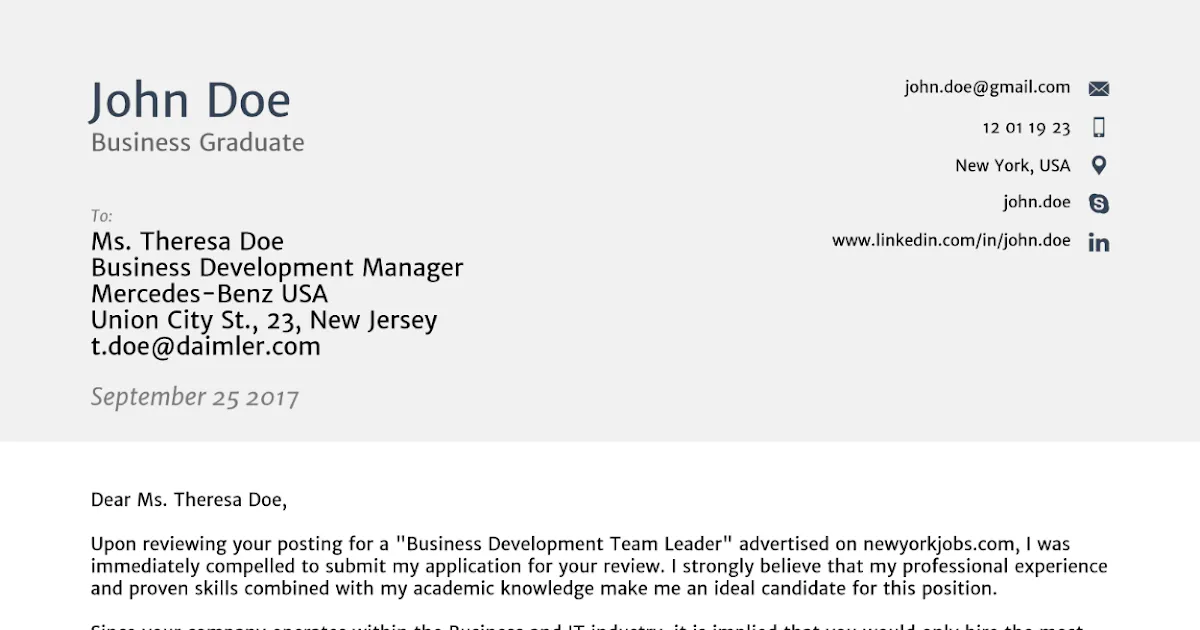
The header of your cover letter should include your full name, address, phone number, and email address. This information should be clearly displayed at the top, allowing recruiters to easily contact you. Below your information, include the date and the recipient’s information, such as the hiring manager’s name, title, company name, and address. Ensure the information is accurate and up-to-date, reflecting professionalism and attention to detail. A well-formatted header sets a positive first impression and facilitates communication.
The Salutation

The salutation is your formal greeting to the recipient. Ideally, address the hiring manager by name to personalize your letter. Researching the name of the hiring manager or the appropriate contact person demonstrates initiative. If you’re unable to find a specific name, use a professional alternative such as “Dear Hiring Manager” or “Dear [Department Name] Team.” Avoid generic greetings like “To Whom It May Concern.” A personalized salutation makes a more significant impact, showing that you’ve taken the time to learn about the organization.
Opening Paragraph
The opening paragraph is your chance to grab the reader’s attention and make a strong first impression. Start by stating the position you are applying for and how you learned about it. Briefly mention your most relevant qualifications or skills that align with the job requirements. Show your enthusiasm for the role and the company. Keep it concise and engaging, encouraging the reader to continue reading. This introduction sets the tone for your letter, demonstrating your interest and suitability for the position.
Body Paragraphs
The body paragraphs form the core of your cover letter, where you elaborate on your qualifications and experiences. Focus on highlighting your relevant skills and achievements, using specific examples to demonstrate your capabilities. Tailor your content to match the job description, showcasing how your abilities align with the employer’s needs. Use clear and concise language, breaking down your information into paragraphs for better readability. Emphasize your value proposition, explain what you can contribute to the organization, and keep the paragraphs focused and engaging.
Highlighting Skills and Experiences

When highlighting your skills and experiences, it is important to provide concrete examples to support your claims. Instead of simply stating your skills, describe how you have used them to achieve specific results in previous roles. Quantify your achievements whenever possible, using numbers and data to illustrate your impact. For instance, instead of saying “Improved sales,” you might say “Increased sales by 20% within six months.” This provides tangible evidence of your capabilities, making a more compelling case for your candidacy. Align your highlights with the key requirements outlined in the job description, ensuring your relevance to the role.
Tailoring to the Job
Tailoring your cover letter to each specific job is crucial for demonstrating your genuine interest and suitability. Review the job description carefully and identify the key requirements and keywords. Then, customize your letter to address these elements, showcasing how your skills and experiences align with the employer’s needs. This personalization shows that you’ve invested the time and effort to understand the role and the company. Generic cover letters that are not tailored often fail to make a strong impression, as they do not convey specific relevance. Adaptability is key, highlighting why you’re the right fit.
Quantifying Achievements
Quantifying your achievements in your cover letter adds significant value by providing tangible evidence of your capabilities. Instead of vague statements, use numbers and data to illustrate your accomplishments. For example, mention the percentage by which you increased sales, the number of projects you successfully managed, or the cost savings you achieved. This approach makes your letter more persuasive and helps the hiring manager understand the concrete impact you can make. Use metrics and data to make your letter more impactful.
Closing Paragraph

The closing paragraph is your final opportunity to reinforce your interest and leave a positive impression. Briefly summarize your key qualifications and restate your enthusiasm for the position. Express gratitude for the reader’s time and consideration. Clearly indicate your next steps, such as your availability for an interview. Maintain a professional tone, conveying confidence and eagerness. Your closing should be concise and memorable, making a lasting impact.
Call to Action
A call to action is a direct instruction to the reader. In your cover letter, it typically involves expressing your availability for an interview and providing your contact information. Make it easy for the hiring manager to get in touch by including your phone number and email address. Show your eagerness to discuss your qualifications further. Close by stating your enthusiasm and your availability. This encourages them to move forward with your application.
Sign-off
Your sign-off should be professional and appropriate for the level of formality. Common options include “Sincerely,” “Best regards,” or “Thank you.” Choose a sign-off that aligns with the overall tone of your letter and the industry standards. Following the sign-off, leave space for your signature if you’re submitting a hard copy. This adds a personal touch. Then, type your full name below the sign-off. Ensure this is neat and easily readable.
Types of Cover Letter Samples

Cover letter samples are varied, each suited to different circumstances and career paths. Choosing the right type of cover letter sample is essential for effectively highlighting your qualifications and addressing your specific needs. The following are common samples.
Entry-Level Cover Letter Samples
Entry-level cover letter samples are designed for individuals with limited work experience. They emphasize transferable skills, educational achievements, and any internships, volunteer work, or projects completed. The focus is on showcasing your potential, eagerness to learn, and relevant coursework. Highlight skills from your education, such as communication, teamwork, and problem-solving abilities. Demonstrating a proactive attitude is crucial in an entry-level cover letter, showing your enthusiasm and ability to adapt quickly.
Experienced Professional Cover Letter Samples
For experienced professionals, cover letter samples showcase a track record of accomplishments, demonstrating how you’ve added value in previous roles. These samples often highlight specific achievements, quantifiable results, and leadership experiences. The letter should focus on demonstrating your expertise and how your past experiences align with the job requirements. Provide tangible examples of your skills and experience, such as project management, leadership, or team achievements. Emphasize the key skills and experiences most relevant to the target position.
Cover Letter Samples for Specific Industries

Industry-specific cover letter samples are tailored to the unique requirements and expectations of different fields. They may include specialized vocabulary, industry-specific skills, and examples that resonate with hiring managers in those fields. These samples help you understand the nuances of each industry and adapt your cover letter accordingly. For example, a cover letter for a marketing position may emphasize creativity, communication, and data analysis skills, while a cover letter for a software engineering role might focus on technical expertise and project management. Customize the cover letter to industry norms.
Cover Letter Samples for Career Changers
When changing careers, a cover letter allows you to address the transition and highlight transferable skills from previous roles. These samples focus on demonstrating how your skills and experiences are relevant to the new field, even if they’re from a different industry. Explain your reasons for the career change and show your understanding of the new industry. Focus on transferable skills, such as problem-solving, communication, and leadership, that are valuable in the new role. Emphasize your willingness to learn and adapt to new challenges, demonstrating your commitment.
Cover Letter Samples Dos and Don’ts
Understanding the dos and don’ts of cover letter writing is crucial for creating an effective document that makes a positive impression. Avoiding common mistakes and following best practices will increase your chances of getting noticed and securing an interview. Remember, your cover letter is a reflection of your professionalism and attention to detail, so it is crucial to follow the rules to be successful.
Dos of Cover Letter Writing
When writing a cover letter, focus on personalization and tailoring your letter to each job application. Research the company and the role, addressing the hiring manager by name whenever possible. Highlight your skills and achievements, providing concrete examples to illustrate your value. Use clear, concise language, and proofread your letter carefully for errors. Keep your tone professional and enthusiastic. Tailor the content, demonstrating your genuine interest.
Don’ts of Cover Letter Writing
Avoid generic cover letters that are not tailored to the specific job or company. Do not use clichés, overly complex language, or grammatical errors. Never exceed one page in length, and avoid providing excessive detail about your past experiences. Don’t simply repeat information from your resume; instead, use the cover letter to expand on your qualifications and demonstrate your fit for the role. Also, avoid negative language or criticizing previous employers. Ensure a positive, professional presentation.
Where to Find Cover Letter Samples
Numerous resources offer cover letter samples to help you create an effective document. Knowing where to look can save you time and effort, providing valuable examples to guide your writing. Explore a variety of sources to find samples that align with your specific needs and career goals.
Online Job Boards
Many online job boards, such as Indeed, LinkedIn, and Glassdoor, provide cover letter samples as part of their career resources. These platforms often offer examples tailored to various industries, job titles, and experience levels. Look for articles and guides that include downloadable templates or sample cover letters. You can filter your search to find samples relevant to your field or the type of role you are seeking. These resources are readily available and easy to access, offering a wealth of options.
Professional Resume Writing Services
Professional resume writing services often provide cover letter samples as part of their services. These companies have expertise in creating effective job application documents and can offer examples that are tailored to specific industries and career goals. While using such a service requires a financial investment, it can be a valuable resource for individuals seeking high-quality cover letter samples. They provide expert insights and guidance.
Company Websites
Some company websites provide examples of cover letters, either as part of their recruitment materials or as career advice resources. Check the “Careers” or “Job Opportunities” sections of company websites for sample cover letters. You may also find articles and guides that offer insights into the expectations and preferences of that specific company. These resources offer valuable context and help you tailor your cover letter to the company culture and requirements.
Cover Letter Samples Formatting and Design
Formatting and design play a crucial role in the overall effectiveness of your cover letter. The way your letter looks is as important as the content itself, as it impacts readability and professionalism. By paying attention to these details, you can make a positive first impression and enhance your chances of getting noticed.
Font Choices and Readability
Choose a professional font that is easy to read. Common and suitable fonts include Times New Roman, Arial, Calibri, and Georgia. Avoid using overly ornate or distracting fonts that can make your letter difficult to read. Use a font size between 10 and 12 points for the body of your letter, ensuring it is legible. Maintain consistency throughout your letter, including the font style, size, and spacing, to create a polished and professional look. Readable fonts improve the readability.
Margins, Spacing, and Overall Layout
Use standard margins (1 inch on all sides) to ensure your letter is visually appealing. Proper spacing between paragraphs and sections is also important for readability. Use single or 1.15 line spacing within paragraphs and double spacing between paragraphs. A well-formatted layout enhances the overall readability and creates a neat and organized look. Ensure the layout is balanced and visually appealing, guiding the reader through the content. A clean layout makes the letter easier to read.
Cover Letter Samples Final Review and Submission
Before submitting your cover letter, a final review is crucial for ensuring it is error-free and polished. Take the time to proofread your letter carefully, paying attention to grammar, spelling, and punctuation. A well-edited cover letter demonstrates professionalism and attention to detail, increasing your chances of making a positive impression. Before submitting, review these key steps.
Proofreading and Editing
Proofread your cover letter multiple times to catch any errors in grammar, spelling, or punctuation. Ask someone else to review your letter for a fresh perspective. Check for any awkward phrasing or inconsistencies in your writing style. Ensure your letter is free of typos and errors. A polished cover letter leaves a professional impression.
Saving and Submitting Your Cover Letter
Save your cover letter in a professional format, such as PDF, to preserve the formatting. Name your file clearly, including your name and the job title (e.g., “Jane Doe - Marketing Manager Cover Letter”). Follow the submission instructions provided by the employer. If submitting online, ensure your cover letter is properly uploaded and attached. Double-check that all information is correct. A professional submission reflects your professionalism.