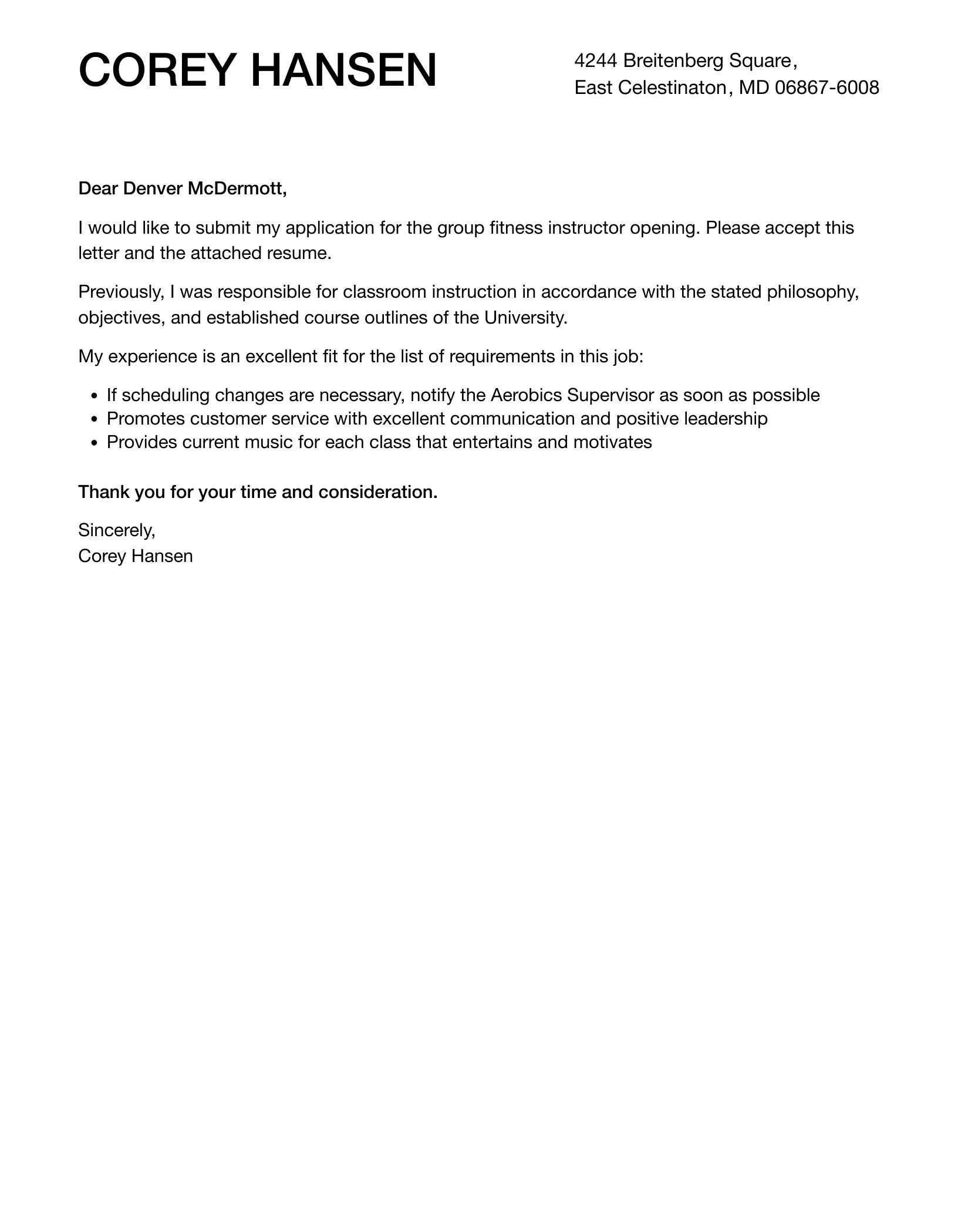
Understanding the Group Fitness Instructor Role
A group fitness instructor plays a central role in the health and wellness sector. They are responsible for leading and guiding individuals through various exercise routines within a group setting. They are not only educators, but also motivators, ensuring proper form, and creating a supportive atmosphere where participants can achieve their fitness objectives. Their responsibilities extend beyond just demonstrating exercises; they need to communicate effectively, demonstrate strong leadership, and possess motivational skills to engage participants and build a sense of community. Group fitness instructors lead diverse classes, including aerobics, yoga, Pilates, Zumba, spinning, and boot camps, accommodating various fitness levels. The ability to adapt workouts to accommodate different abilities and modify exercises to ensure safety and promote inclusivity is also essential. This role demands a strong passion for fitness and a genuine commitment to supporting others in reaching their health goals.
Key Responsibilities of a Group Fitness Instructor
Group fitness instructors are responsible for a multitude of tasks that contribute to the success of each class experience. This includes planning and preparing the class routines, considering the fitness levels, and the objectives of the participants. Instructors demonstrate exercises correctly, offer modifications where needed, and correct participant’s form to help prevent injuries. They utilize their voice and body language to motivate participants, and provide encouragement throughout each class. Additionally, they need to create a positive, supportive, and engaging atmosphere that cultivates a sense of community within the class. Maintaining a safe environment is key, including ensuring equipment is used appropriately and responding to any safety concerns. Instructors often take on administrative tasks such as attendance, answering questions, and communicating with the fitness facility management.
Essential Skills to Highlight

When crafting your cover letter, you need to showcase skills that match the role’s demands. Make sure that you highlight your expertise in exercise instruction, including knowledge of different fitness modalities and techniques. Demonstrate strong communication and interpersonal skills, since you’ll constantly be interacting with participants. Leadership and motivational abilities are critical for inspiring and guiding individuals toward their fitness goals. Include any certifications you have, such as those from ACE, NASM, or AFFA. Emphasize your ability to adapt workouts, manage time effectively, and establish a fun and engaging class environment. If you have experience with music selection, choreography, or using equipment, mention it. Consider skills in first aid and CPR as essential for safety and responsiveness in any potential emergency. Always back up each skill with concrete examples from your previous experience to help establish credibility and display tangible achievements.
Crafting Your Group Fitness Instructor Cover Letter
Your cover letter acts as the first introduction to the hiring manager, making a strong first impression vital. This document complements your resume and provides context, highlighting your unique qualifications for the role. A well-written cover letter captures attention, clearly demonstrates your interest in the position, and encourages the reader to consider your application. It allows you to express your passion, showcase your personality, and express your unique experiences within a persuasive narrative. The more effort and thought that goes into crafting your cover letter, the more appealing you become to the hiring managers that are reviewing applications.
Header and Contact Information
Start your cover letter with a professional header containing your full name, address, phone number, and email. Ensure your contact information is accurate and easy to access. If you’re submitting a hard copy, center your contact information at the top of the page. If applying digitally, place your information in the upper left corner. After the header, include the date, and the hiring manager’s name and address (if available). If you can, use the hiring manager’s name, which adds a personal touch. If the name is unavailable, use a generic greeting like “Hiring Manager” or “Recruiting Team” to personalize your cover letter.
Addressing the Hiring Manager

Begin your cover letter with a professional, personalized greeting. If you know the hiring manager’s name, use it—‘Dear Mr./Ms. [Last Name]’ is a good choice. If you’re unsure of the name, use a general greeting that still conveys respect, such as ‘Dear Hiring Manager’ or ‘Dear [Gym Name] Hiring Team’. Avoid generic greetings like ‘To Whom It May Concern’ as they lack personalization. The greeting sets the tone for your letter, reflecting your level of preparation. Ensure you spell the hiring manager’s name correctly; it shows that you pay attention to detail and are committed to professionalism.
Opening Paragraph that Grabs Attention
The opening paragraph is your chance to capture the hiring manager’s attention and leave a strong first impression. Begin with a concise statement that clearly states your interest in the group fitness instructor position. Mention where you discovered the job posting and why the facility appeals to you. Consider including a unique skill or relevant experience to immediately highlight your qualifications. You can also express your enthusiasm for fitness, as well as the opportunity to help others achieve their goals. Keep the opening paragraph brief, focused, and engaging. Instead of generic phrases, select a statement that showcases your personality and demonstrates your genuine interest in the role. Create a narrative that leads the reader to your qualifications and encourages them to delve deeper into your application.
Highlighting Your Qualifications and Experience
The body of your cover letter should highlight your qualifications and experiences, correlating them with the requirements in the job description. Explain how your skills and experience will make you the ideal candidate for the role. Connect your achievements with the needs of the position. Use the STAR method (Situation, Task, Action, Result) to illustrate examples that demonstrate your capabilities when describing your experience. Whenever possible, quantify your achievements, like the number of classes you have taught, the number of participants you have helped, or the percentage increase in class attendance. The main section of your cover letter allows you to persuade the hiring manager that you are the right person for the job.
Showcasing Certifications and Training

Certifications and relevant training are crucial in the fitness industry, so emphasize them in your cover letter. List all of your certifications, such as those from ACE, NASM, ACSM, or other recognized organizations. Mention the specific type of certifications you hold (e.g., certified group fitness instructor) and the date you earned them. If you have specialized training or qualifications, such as first aid and CPR certifications, include them as well. Highlight any continuing education courses you have completed to show your commitment to professional development. It is important that a group fitness instructor maintains an up-to-date knowledge base, and that is why continuing education is so important. Make sure to include the certifying body when mentioning your certifications to help provide credibility.
Quantifying Achievements and Impact
Whenever possible, quantify your achievements to demonstrate the impact you’ve made in previous roles. Instead of saying you “improved class engagement,” say you “increased participant engagement by 20% through dynamic class planning and motivational techniques.” Instead of saying you “taught many classes,” state the number of classes you taught per week or month. Similarly, when describing the success of your classes, use numbers to illustrate the impact of your work. For instance, state the percentage of participants who achieved their fitness goals or the increase in class attendance. Using numbers and specific examples makes your cover letter more compelling and provides concrete evidence of your abilities. Quantifying your achievements shows that you have the ability to measure your successes and are confident in your abilities to repeat the same or better results.
Demonstrating Passion and Enthusiasm
Employers seek candidates who are passionate about fitness and enthusiastic about helping others. Throughout your cover letter, express your enthusiasm for group fitness and your dedication to helping people achieve their health goals. Share your personal connection to fitness and why you are drawn to this role. Show your passion for teaching and motivating others. Discuss the positive impact you’ve had on previous participants. Use words and phrases that communicate your energy and excitement. Your passion will distinguish you and show your genuine commitment to the role. Displaying your passion is just as important as showing professionalism.
Tailoring Your Cover Letter to the Job

Customizing your cover letter to each job is vital for demonstrating that you are the right fit for the role. Carefully read the job description and identify the key requirements and preferred qualifications. Highlight the skills and experience that match those requirements. Using keywords from the job description will help your application get noticed. Avoid sending generic cover letters, as this will not showcase your true interest. Prove you have taken the time to understand the needs of the employer. The more personalized your cover letter is, the more likely you are to get an interview. Emphasize your understanding of the fitness facility’s values.
Researching the Fitness Facility
Before writing your cover letter, research the fitness facility to understand its values, mission, and the classes they offer. Visit their website, social media pages, and read reviews to learn about their culture and clientele. If you can, observe a class in person to get a better feel for the environment. Mention the facility’s name and programs that interest you. This shows that you have taken the time to research the organization. This step demonstrates that you are interested in the role, and are not just interested in any job.
Aligning Skills with Job Requirements
Carefully review the job description to identify all required skills and qualifications. Then, connect your skills and experience to the job requirements, using the job description as a guide. Provide specific examples to demonstrate how your skills align. Emphasize the most relevant skills for the role. If the job description mentions specific fitness modalities, like yoga or spin, highlight your experience in that area. Make sure to use the same terminology as the job description. This will help you to maximize the impact of your cover letter.
Using Action Verbs Effectively

Employ strong action verbs to describe your achievements and skills. Start each sentence or bullet point with an action verb. Examples include “led,” “motivated,” “instructed,” “developed,” “implemented,” “achieved,” and “created.” Action verbs make your cover letter dynamic and engaging, showing your accomplishments. Use action verbs to describe your prior roles and any contributions you made.
Writing a Strong Closing
Your closing is the last opportunity to make a positive impression. Sum up your interest in the position and reiterate your enthusiasm. Thank the hiring manager for their consideration, state your availability for an interview, and supply your contact information. If appropriate, offer references. End with a professional closing, such as “Sincerely,” followed by your name. A strong closing confirms your interest and leaves a positive lasting impression.
Expressing Gratitude and Next Steps
In your closing, express your gratitude to the hiring manager. Reiterate your enthusiasm for the role and the next steps. State your availability for an interview and the best way for the manager to contact you. Mention any specific documents or information they should review. Proofread the closing carefully. A clear call to action demonstrates initiative.
Proofreading and Editing

Carefully proofread and edit your cover letter to catch any errors. Check for spelling, grammar, and punctuation errors. Make sure the formatting is consistent and professional. Read your cover letter aloud to find any awkward phrasing or sentences. Have a friend or advisor review the document. Proofreading is the final step and is essential; a polished cover letter shows attention to detail and professionalism.